
Engineered for high-end hospitality, luxury residential, and commercial developments with verified CE certification and precision craftsmanship.
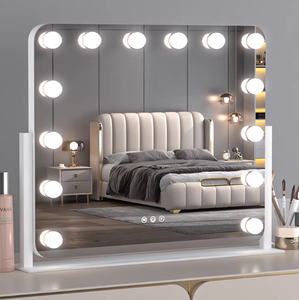
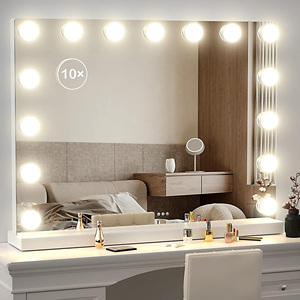
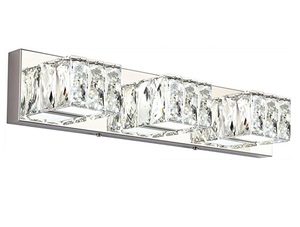
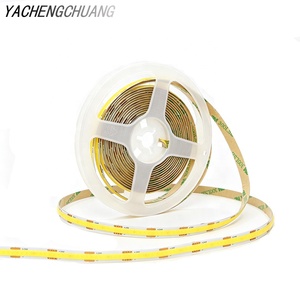
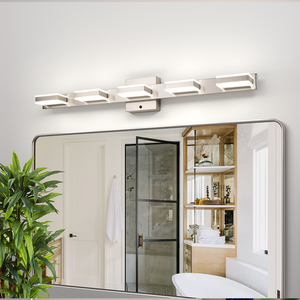
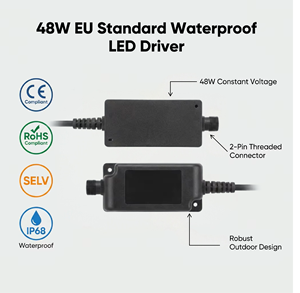
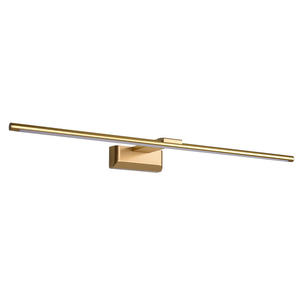
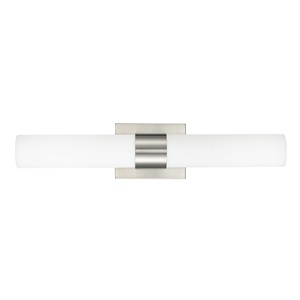
How our factory integrates metallurgy, electrical safety engineering, and sustainable manufacturing for global architectural compliance.
Utilizing high-grade C36000 and H62 brass alloys with strictly controlled lead content (<0.09%). Our precision extrusion and die-casting prevent micro-porosity, ensuring structural strength and flaw-free surface finishing.
Fully compliant with EU Low Voltage Directive (LVD 2014/35/EU) and Electromagnetic Compatibility (EMC Directive 2014/30/EU). Every production batch undergoes dielectric breakdown and earth continuity testing.
Equipped with state-of-the-art Magnetron Sputtering PVD and automated electroplating lines. Offers superior salt-spray corrosion resistance (>96 hours) and zero tarnishing over decadal lifecycles.
In the global architectural lighting ecosystem, solid brass remains the material of choice for premium fixtures due to its unmatched density, natural corrosion resistance, structural malleability, and timeless aesthetic prestige. However, procuring brass lighting at scale for commercial, hospitality, and high-density residential projects presents intricate regulatory and engineering hurdles. Procurement officers, lighting specifiers, and electrical engineering consultants must navigate stringent market access laws, notably the CE Marking directives of the European Union, alongside UL and ETL requirements for North American cross-over programs.
This technical whitepaper provides a comprehensive analysis of modern brass lighting manufacturing, detailing structural alloy selection, thermal management, surface treatment technologies, CE safety compliance, and future procurement paradigms for 2025–2030. Operating since 1987 from our engineering hub in Langhorne, Pennsylvania and backed by global precision casting facilities, our manufacturing framework delivers over 300 active fixture categories engineered to eliminate supply chain friction and field failures.
Not all brass luminaires are manufactured equal. The raw material composition directly dictates the luminaire's longevity, machinability, optical precision, and surface finish integrity. Advanced CE certified brass lighting factories operate under strict material traceability protocols, avoiding reclaimed scrap metal contaminated with iron or aluminum inclusions that induce premature galvanic corrosion and surface pitting.
Commercial brass lighting production predominantly relies on two high-performance copper-zinc alloy systems:
| Alloy Grade | Copper Content (%) | Tensile Strength (MPa) | Primary Application | Corrosion Resistance |
|---|---|---|---|---|
| C36000 (Free-Machining) | 60.0 – 63.0% | 380 – 490 | CNC Structural Mounts, Threaded Hubs | Excellent (Indoor/Covered) |
| H62 Brass (CuZn38) | 60.5 – 63.5% | 390 – 540 | Spun Shades, Formed Arms, Sconces | Superior (PVD Coated) |
| H68 Brass (CuZn32) | 67.0 – 70.0% | 300 – 420 | Deep-Drawn Reflector Housing | High Marine Grade Resistance |
To lawfully distribute and install decorative and architectural brass luminaires within the European Economic Area (EEA), products must bear the CE mark. CE certification is not a mere quality stamp; it is a legally binding declaration that the luminaire satisfies all essential health, safety, and environmental protection directives mandated by EU legislation.
Because brass naturally resists rust, it is frequently specified for high-humidity environments including luxury hotel bathrooms, spas, outdoor corridors, and seaside resorts. CE testing verifies ingress protection ratings:
A primary challenge in brass luminaire procurement is preventing oxidation, tarnish, and fingerprint discoloration over time. Historical finishing methods relied heavily on clear organic nitrocellulose lacquers. However, these lacquers suffer from UV degradation, yellowing, micro-cracking, and low abrasion resistance when exposed to cleaning chemicals.
Modern tier-one brass lighting factories have transitioned to PVD Vacuum Magnetron Sputtering. In this process, the brass substrate is thoroughly cleaned via multi-stage ultrasonic degreasing, then placed in a high-vacuum chamber. Metal ions (such as Titanium, Zirconium, or Chromium) are vaporized and deposited at atomic scale onto the brass surface in a reactive gas atmosphere (nitrogen or acetylene).
Benefits of PVD Brass Finishing:
The global brass lighting sector is undergoing rapid technological convergence driven by advances in solid-state lighting (SSL), digital control interfaces, and circular economy design principles.
Modern architectural brass sconces and pendants increasingly incorporate Chip-on-Board (COB) LEDs and ultra-thin COB flexible strips rather than traditional E27/E26 retrofit bulbs. Solid brass possesses a thermal conductivity of approximately 110-120 W/m·K, making it a highly efficient conductive heat sink. By mounting LED modules directly to CNC-milled internal brass seats using high thermal conductivity interface pads (>3.0 W/m·K), factories reduce junction temperatures (Tj < 75°C), guaranteeing over 50,000 hours of L70 lumen maintenance.
Integrating wireless smart control (Zigbee, Bluetooth Mesh, Matter) into brass luminaires requires specialized RF engineering. Solid brass acts as a Faraday cage, shielding radio frequency signals. Leading factories overcome this by designing hidden composite optical windows or integrating external sub-miniature antenna nodes, allowing seamless 0-10V, DALI-2, and Phase-cut dimming integration without compromising the full brass aesthetic.
Under the European Union's Ecodesign Directive (2009/125/EC) and WEEE Directive, luminaires must be designed for repairability, component replacement, and end-of-life recycling. Leading CE certified factories now employ modular mechanical joinery (threaded brass collars, standardized driver housings, removable LED light engines) instead of permanent epoxy potting, enabling effortless field servicing and 100% metal scrap circularity.
B2B lighting procurement is shifting away from low-cost spot purchasing toward integrated, long-term strategic supplier partnerships. Commercial buyers, hotel brand specifiers, and real estate developers prioritize several emerging parameters when evaluating overseas brass lighting factories:
By 2027, EU regulations will mandate Digital Product Passports for energy-related products. Procurement teams will require factories to provide QR-accessible digital records verifying raw material alloy origin, recycled metal content percentage, carbon footprint metrics (Scope 1, 2, and 3 emissions), and full laboratory test reports for CE/RoHS compliance.
While low-tier suppliers may offer lower initial unit costs using brass-plated zinc alloy or thin-gauge sheet metal, high failure rates during job-site installation, lacquer peeling, and driver burnout drastically inflate project costs. Procurement directors now evaluate suppliers on Total Cost of Ownership (TCO), accounting for freight survival rates, installation labor speed, spare part availability, and warranty responsiveness.
Multinational hotel chains and commercial franchises require lighting suppliers capable of engineering dual-certified luminaire platforms. A single brass housing design that accommodates interchangeable CE-certified EU driver components (220-240V, 50Hz) and UL/ETL listed North American drivers (120-277V, 60Hz) enables seamless global brand expansion without costly re-tooling.
Authentic CE compliance requires full test reports issued by an accredited ISO/IEC 17025 testing laboratory (such as TÜV, SGS, Intertek, or DEKRA). Request the complete test report under EN 60598-1 and EN 60598-2, not just a one-page Certificate of Conformity. Verify that the factory name, model numbers, and internal brass fixture construction shown in the report's photographs precisely match the proposed procurement sample.
Solid brass fixtures are machined or spun entirely from C36000 or H62 brass alloy. They offer structural integrity, high weight density, natural rust immunity, and can be re-finished or polished over time. Brass-plated zinc or iron fixtures use cheap base metals with a thin electroplated surface layer. Over 12 to 24 months in humid environments, moisture penetrates micro-cracks in the plating, causing base metal corrosion, bubbling, and irreparable flaking.
For indoor luxury hotel bathrooms and vanities, specify a minimum of 48-hour Neutral Salt Spray (NSS) testing per ASTM B117 / ISO 9227 with a zero-corrosion rating (Rating 10 per ASTM D1654). For coastal hospitality or outdoor damp locations, specify 96-hour to 240-hour NSS with a high-durability PVD finish.
Yes. Our engineering division in Langhorne, Pennsylvania specializes in dual-platform manufacturing. We design brass fixture housings that fit both European CE-compliant junction boxes (with terminal block wiring) and North American standard 4-inch octagonal J-boxes, using universal voltage (120-277V) UL/ETL listed drivers and pass-through grounding pathways.
Standard factory lead times for custom OEM/ODM solid brass production range from 30 to 45 days following 3D CAD sign-off and golden sample approval. Rapid prototyping via 3D metal wax printing and CNC machining allows sample turnaround within 7 to 10 working days. Minimum order quantities (MOQ) typically start at 50 to 100 units per custom SKU for commercial project rollouts.
Solid brass has a high thermal conductivity of ~115 W/m·K. When engineered as a functional heat sink, brass efficiently conducts thermal energy away from the LED diode junction. This maintains operating temperatures under critical thresholds, preventing color temperature shift (CCT drift), preserving High CRI values (>90/95), and extending the operational lifespan of integrated LED light engines to 50,000+ hours.
Backed by over 37 years of decorative and architectural lighting expertise since 1987, AF Lighting / AIS Lights bridges the gap between sophisticated Western design oversight and high-capacity precision manufacturing. Our headquarters in Langhorne, Pennsylvania coordinates technical specifications, product sampling, engineering support, and after-sales part fulfillment, while our specialized brass casting and machining facilities execute high-volume production under strict ISO 9001 quality management systems.
Whether you are outfitting a 500-room luxury hotel project, establishing a retail distribution line, or specifying custom IP44/IP65 brass luminaires for commercial interiors, our engineering team provides end-to-end guidance from initial CAD prototyping to final CE/ETL certification verification.
Connect directly with our engineering and procurement specialists to receive detailed product catalogs, IES photometrics, CE compliance documentation, and volume factory pricing.
Inquire Now