Complete Procurement & Specification Guide for Casino Lighting Solutions
Essential technical insights for architects, interior designers, and hospitality project managers.
1. Spatial Layering: Creating Depth and Visual Hierarchy
Successful casino resort architecture relies on dynamic spatial layering. Illuminating vast open spaces requires three distinct layers of light working in harmony:
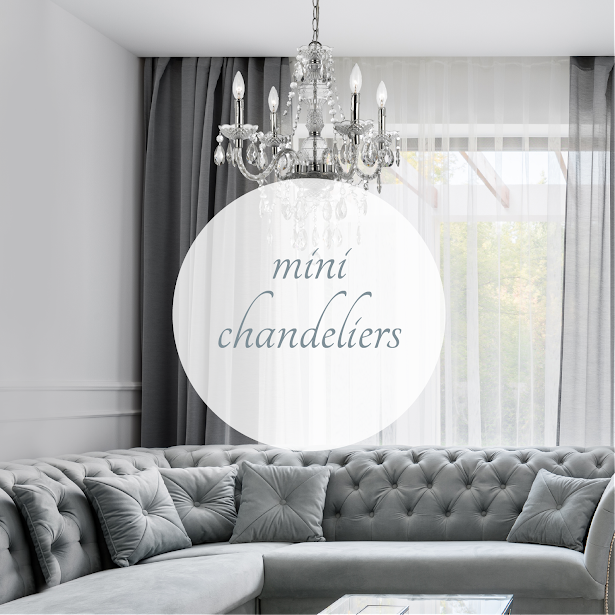
- Ambient Overhead Layer: Provided by majestic chandeliers and multi-pendant cascades that anchor grand atriums, entry rotundas, and central escalators. These fixtures set the luxury tone of the brand.
- Architectural Perimeter & Vertical Layer: Provided by wall sconces mounted along main circulation walkways, elevator banks, and perimeter walls. Illuminating vertical surfaces expands the visual boundary of the room and eliminates cavernous shadows.
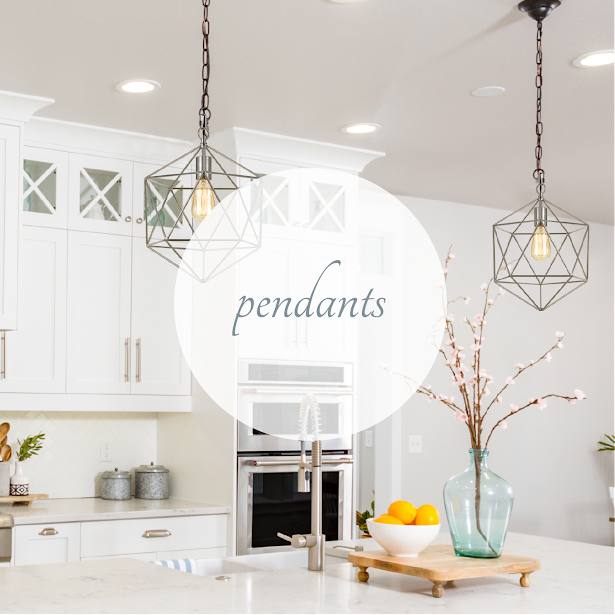
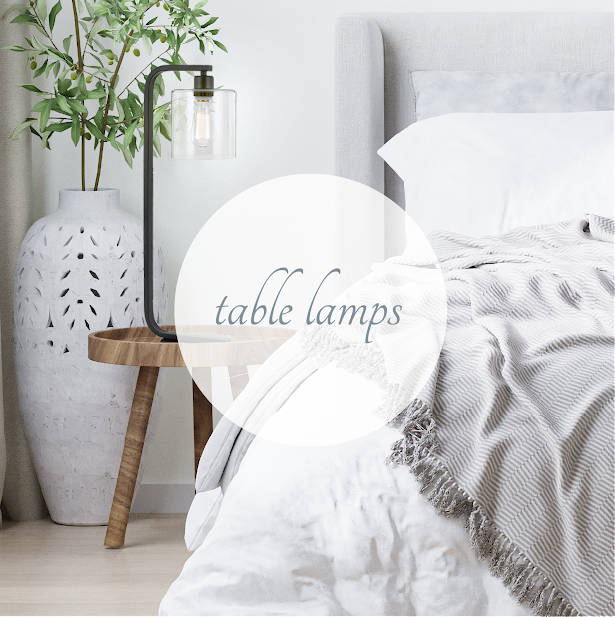
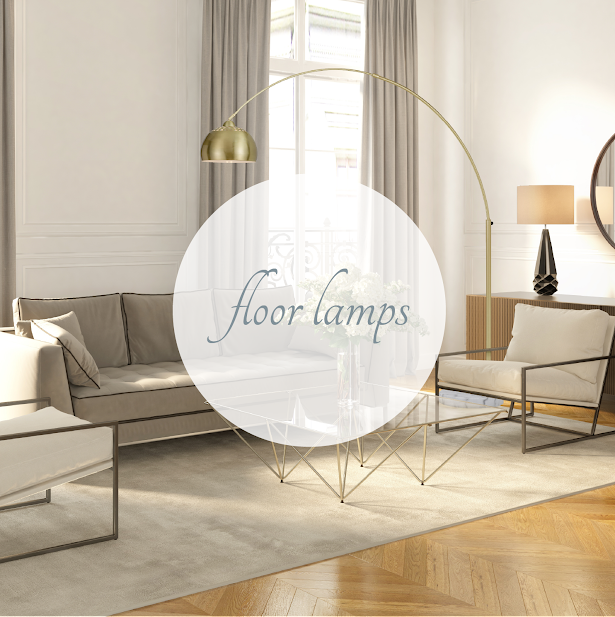
- Intimate Task & Table Layer: Delivered by heavy-base table lamps, floor lamps, and localized low-glare pendants over gaming tables, reception desks, and lounge seating. This layer draws guests into specific interactive zones.
2. Materials, Finishes & Durability under Commercial Rigors
Casino public areas experience constant cleaning, foot traffic, and potential physical impact. When specifying fixtures, material resilience is paramount:
AF Lighting utilizes solid brass, heavy-gauge cold-rolled steel, hand-blown optical glass, and high-purity K9 crystal facets. Metallic surfaces undergo multi-layer electroplating or oven-baked powder coating to protect against oxidation, finger marks, and aggressive cleaning chemicals. Our textile shades feature internal flame-retardant rigid liners (polycarbonate or aluminum foil backings) that maintain shape stability under continuous thermal exposure from internal lamps.
3. Navigating Life-Safety Standards & Building Codes
During municipal building inspections, lighting fixtures in high-occupancy commercial properties face strict scrutiny. Specifiers must ensure that chosen luminaires comply with local energy conservation codes (such as ASHRAE 90.1 or California Title 24) through high efficacy LED sources exceeding 80–100 lumens per watt. Additionally, emergency egress lighting path integration, grounding continuity testing, and structural weight distribution calculations must be fully verified prior to installation.
By partnering with AF Lighting, trade buyers gain direct access to our Pennsylvania-based technical support team, capable of providing detailed submittal packages, photometric IES files, specification sheets, and installation guidelines tailored to your project's specific compliance requirements.