
Precision-engineered optical acrylic diffusers, dimmable architectural sconces, and commercial vanity systems tailored for international commercial procurement.

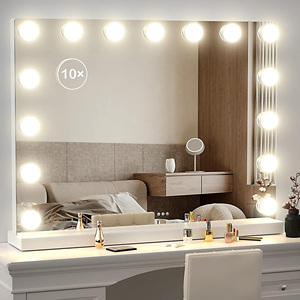
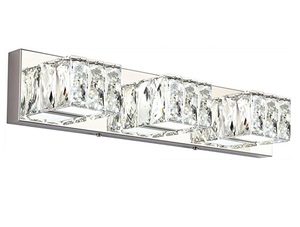
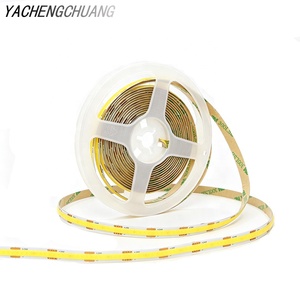
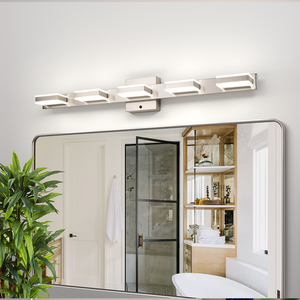
In contemporary commercial architecture, interior design, and multi-family residential developments, the transition from glass diffusers to engineered optical-grade acrylic (Polymethyl Methacrylate - PMMA) represents a major paradigm shift. Procurement directors, lighting specifiers, and electrical engineering importers face strict regulatory guidelines across the European Union, North America, and global trade corridors. The procurement of CE Certified Acrylic Lighting requires a deep understanding of photometric performance, thermal dynamics, optical light guide panel (LGP) physics, and international electromagnetic compliance (EMC/LVD).
Information Gain Insight: Unlike standard Polystyrene (PS) or Polycarbonate (PC) materials that yellow under continuous UV-A and UV-B exposure, high-purity virgin PMMA optical acrylic maintains color rendering indices (CRI > 95) and light transmittance values above 93% over a 50,000-hour operational lifecycle when paired with thermal-managed LED COB and SMD light engines.
To successfully market and distribute decorative acrylic lighting, commercial vanity fixtures, and architectural sconces within the European Economic Area (EEA) and global markets accepting European standards, products must strictly adhere to specific CE harmonization directives:
Mandates electrical safety for equipment operating between 50V–1000V AC or 75V–1500V DC. Evaluates creepage, clearance distances, shock protection, and thermal insulation of acrylic enclosures.
Ensures LED drivers and dimming circuits do not generate electromagnetic interference (EMI) that disrupts surrounding infrastructure, while remaining immune to grid fluctuations.
Restricts hazardous substances (Lead, Cadmium, Mercury, Hexavalent Chromium, PBBs, PBDEs) in acrylic diffusers, solder joints, and electronic driver housing.
Optical performance is directly dictated by material selection. For international lighting distributors, retail showrooms, and hospitality specifiers, understanding material degradation under thermal and optical stress is essential for protecting brand reputation and reducing warranty claims.
Cell-Cast PMMA vs. Extruded Polystyrene (PS): Cheap LED vanity lamps often utilize extruded PS diffusers to cut initial manufacturing costs. However, PS has a yellowing index (YI) that degrades rapidly within 12 to 18 months of operation. In contrast, Cell-Cast PMMA Acrylic possesses an inherent molecular stability that yields an initial light transmission of 93% with zero visible discoloration over a decade. Furthermore, laser-engraved PMMA Light Guide Panels (LGPs) ensure edge-lit LED configurations distribute illumination uniformly across 360-degree vanity mirrors and linear wall sconces without dark zones or hot spots.
Engineering Benchmark: High-grade optical PMMA features a heat deflection temperature (HDT) up to 95°C and a dielectric strength of 20 kV/mm, making it both a high-efficiency diffuser and a secondary electrical safety barrier inside CE and ETL certified fixtures.
As commercial buyers, hotel casino builders, and trade wholesalers restructure their supply chains, several key industry shifts are defining the procurement strategy for the next decade:
Modern commercial spaces demand fixtures capable of seamlessly transitioning from 2700K Warm White to 6500K Cool White. Integrated acrylic lighting systems are increasingly engineered with dual-chip COB (Chip-on-Board) or flexible SMD LED strips behind micro-structured acrylic diffusion plates. Procurement managers are prioritizing suppliers who offer integrated Tuya, Zigbee, DALI-2, and 0-10V dimming protocol compatibility within CE-certified low-voltage drivers.
With stringent European ESG mandates coming into force, top-tier exporters are introducing R-PMMA—acrylic manufactured from post-industrial optical waste. R-PMMA delivers identical refractive index values (1.49) and thermal tolerance while reducing carbon footprints by up to 70% during the monomer synthesis phase. Expect CE technical files to mandate full EPD (Environmental Product Declaration) reporting by 2027.
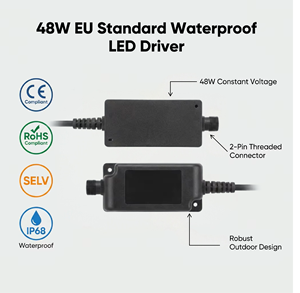
Driven by hospitality and institutional requirements, indoor and outdoor wet-rated acrylic lighting demand is surging. Ultrasonic welding of acrylic end-caps paired with silicone potting around IP68 LED drivers (as seen in our heavy-duty commercial drivers) allows sleek vanity mirrors and wall sconces to withstand prolonged high-humidity spa, hotel bathroom, and exterior architectural environments.
Since 1987, AF Lighting / AIS Lights has established itself as an authoritative leader in high-performance decorative and technical lighting systems. Headquartered in Langhorne, Pennsylvania, with international specialized manufacturing facilities, our enterprise bridges rigorous US engineering standards with cost-efficient global production capacity.
Comprehensive catalog covering crystal chandeliers, optical acrylic pendants, IP44/IP68 vanity sconces, smart makeup mirrors, and commercial LED drivers.
Every product batch undergoes rigorous high-pot testing, photometric sphere testing, thermal runaway validation, and drop testing to exceed EU and North American standards.
Dedicated engineering team capable of customizing acrylic lens geometry, metal plating finishes (electroplated gold, matte black, brushed nickel), and private-label packaging.
Key information for commercial buyers, lighting showrooms, hospitality specifiers, and trade importers.