
0%

Decorative Floor Lamps can do more than fill an empty corner; they shape how a room feels after sunset. The right one offers useful light, supports the room’s style, and fits the way people move through it. A tall arc lamp beside a sofa, for example, can direct light toward a book without taking up a table. A slim uplighter may soften a dark ceiling, though it may not suit detailed tasks. Small choices matter.

Choosing well starts with the room, not the product photo. Measure the available floor space, check the lamp’s height against nearby furniture, and notice where outlets sit. Think about what the light needs to do: reading, gentle background glow, or both. A dimmable model and a replaceable bulb can offer flexibility, but only if their specifications match your needs. Check the shade material, base stability, cord placement, and cleaning instructions before buying. These details are easy to overlook. Looks can mislead. I have learned that a beautiful finish can feel less appealing when the switch is hard to reach. This guide will compare shapes, materials, lighting functions, and placement tips to help you make a practical choice. There is no perfect lamp for every home. Your habits matter more than a trend, and sometimes the best option is quieter than expected.
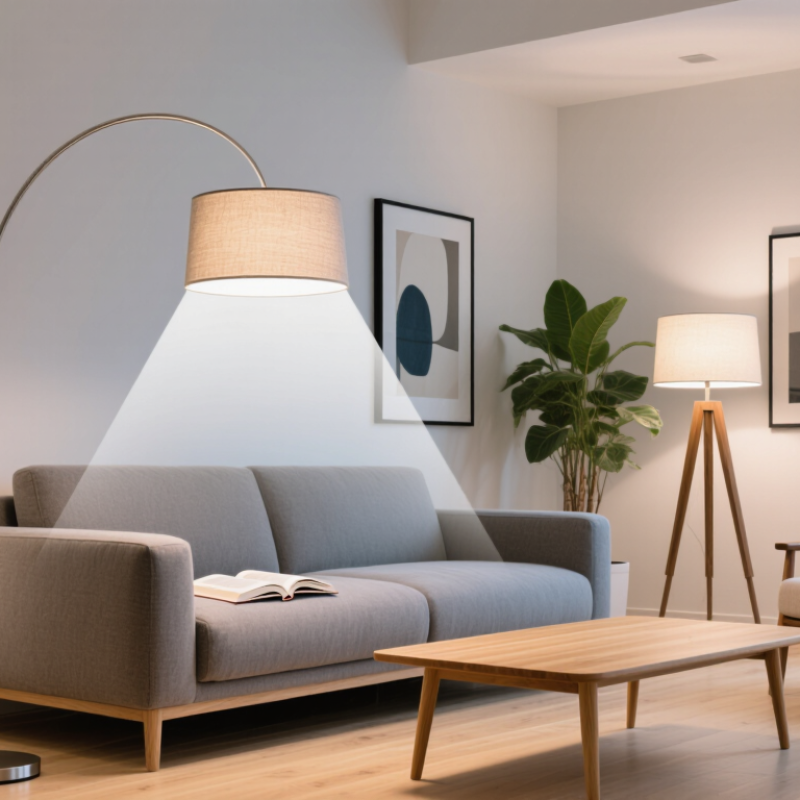
How to Choose Decorative Floor Lamps for Your Home

Define the Lamp’s Purpose and Intended Placement

Before choosing a decorative floor lamp, decide what it needs to do in the room. A reading corner needs focused light, while a dim hallway may benefit more from a gentle glow. For reading, place the lamp beside or slightly behind your chair, with the shade directing light onto the page rather than into your eyes. Check the lamp while seated; standing up to judge its height can be misleading. Small detail, big difference. For general illumination, position it near a wall so light can spread across the room. A pale wall often reflects more light than a dark one.

Think about outlets, walking paths, and nearby furniture before settling on a spot. A lamp squeezed behind a sofa may look elegant but leave its switch awkward to reach. I still find it easy to underestimate how much a side table blocks a lamp’s light. The U.S. Department of Energy’s Energy Saver guidance says LEDs use at least 75% less energy and last up to 25 times longer than incandescent lighting. That matters if your lamp will stay on for hours, though brightness and color temperature still shape comfort. Check the bulb’s lumen rating and test the light at night; a shade that looks warm in daylight can cast a surprisingly sharp pool after dark.

Match the Lamp’s Style and Scale to the Room

A decorative floor lamp should feel connected to the room, not like an afterthought. Look at the shapes and finishes already nearby: a curved lamp can soften a room with square furniture, while a slim, straight stem often suits a compact reading corner. Matching every finish is unnecessary. A warm metal base beside wood or woven fabric can feel more natural than a perfectly coordinated set.

Scale matters just as much as style. In a living room, the shade should sit comfortably above the chair or sofa, without blocking a seated person’s view. Check the lamp’s height against the ceiling and nearby furniture. A tall, wide shade can overwhelm a narrow corner; a tiny lamp may disappear beside a deep sofa. Leave enough floor space for people to walk past safely. Measure the base before buying, especially if it will stand near a doorway.

I once underestimated how much visual weight a dark shade could add to a pale room. It looked heavier than its measurements suggested. Consider the shade’s color, shape, and material in daylight and after dark. If possible, mark the base’s footprint with paper before choosing a spot. It is a little fussy, but it can prevent an awkward fit. A lamp should complement the room’s character while still serving the task beside it.

Choose a Suitable Light Source and Brightness

When choosing a decorative floor lamp, match its light output to what you will do nearby. Lumens measure light; watts measure energy use. The U.S. Department of Energy’s Energy Saver guide notes that an LED can use at least 75% less energy and last up to 25 times longer than an incandescent bulb. These are broad comparisons, not guarantees for every bulb or fixture. Lumens matter more. Check the lamp’s maximum supported bulb output before buying, especially if its shade is enclosed.

For a sofa-side reading spot, try a lamp with a dimmer or adjustable head, then direct the beam onto the page rather than into your eyes. In a narrow corner, a shaded uplight can soften the room, but it may feel too dim for reading. Keep it adjustable. Warm-white light, around 2700–3000 kelvin, often suits relaxed living spaces; a cooler setting may make detail work easier, though personal preference matters. A floor lamp is rarely a complete room-lighting plan. I would test the bulb at night, with the curtains drawn, because a sample display in a bright shop can be misleading.

Compare Materials, Construction, and Safety Features

When comparing decorative floor lamps, start with the materials you will see and touch every day. Metal frames feel sturdy and suit clean, modern rooms, but thin tubing can wobble. Solid wood adds warmth; inspect the joints and finish for rough edges or visible gaps. Glass shades spread light softly, though they need more careful handling. Fabric shades create a gentle glow, but dust can collect along the top seam. Small details matter.

Construction often tells you more than appearance. Check whether the base sits flat on the floor and feels heavy enough for the lamp’s height. Gently test the pole and shade connection for movement. A slight sway is easy to overlook in a showroom, yet risky beside a busy walkway or curious pet. Some lamps arrive with loose fittings; tighten them as directed, and do not force a stuck screw.

Safety deserves the same attention as style. Look for a recognized electrical safety label, intact cord insulation, and a plug that fits snugly. Match the bulb’s wattage to the lamp’s stated limit, and keep fabric or paper shades clear of hot bulbs. An LED bulb usually produces less heat, but it still needs proper clearance. I sometimes focus too much on shade color; a stable base and sound wiring are less visible, but far more useful.

Check Dimensions, Controls, and Budget Before Buying

A decorative floor lamp should suit the room’s scale, not just its style. Measure its height and base before buying, then compare them with your sofa, side tables, and ceiling. A tall shade may look elegant in a showroom but feel crowded beside a low ceiling. Check the base footprint, too; it needs stable, clear floor space. Measure twice.

Think about how you’ll use the lamp each day. A foot switch is handy when your hands are full, while a dimmer helps shift from reading light to a softer evening glow. Check whether the control works with the bulb you plan to use. Look at cord length and outlet placement, since a beautiful lamp can be awkward if its cord crosses a walkway. Set a budget that includes the bulb and any delivery fees. Spending more does not always mean better light, and cheaper finishes may show wear sooner. That trade-off is worth considering.

Tips: Tape the lamp’s base outline on the floor and mark its height on a wall. Test the switch position, if possible. Keep a little room for doubt; measurements cannot fully predict how a shade will feel in your home.

How to Choose a Decorative Floor Lamp

Approximate size references for planning your space. Individual lamp dimensions vary.

Before buying: Measure the available floor and ceiling space, check whether the switch is easy to reach, and set a budget that includes the bulb if one is not included.

FAQS

How can I choose a floor lamp that suits my room?

Match its shape to nearby furniture. A curved stem can soften square tables, while a slim lamp suits a tight reading corner.

How tall should a floor lamp be beside a sofa?

The shade should sit above the sofa without blocking a seated person’s view. Check the lamp against the ceiling, too.

How can I tell if a lamp will fit in a small space?

Measure the base and compare it with the available floor space. Tape its outline on the floor. It helps.

What brightness works for reading beside a sofa?

Choose a suitable bulb and direct its beam onto the page. A dimmer or adjustable head can help reduce glare.

Is warm-white light suitable for a living room?

Warm-white light around 2700–3000 kelvin often feels relaxed. Cooler light may help with detailed tasks, though preferences vary.

What should I check before buying a bulb?

Check the lamp’s maximum supported output, especially if its shade is enclosed. Lumens describe brightness; watts describe energy use.

Which lamp controls are useful for everyday use?

A foot switch is convenient when your hands are full. A dimmer can shift the light from reading to evening use.

What small details could make a lamp awkward at home?

A cord crossing a walkway or a base near a doorway can cause problems. I once underestimated a dark shade; it looked heavier than expected.

Conclusion

Choosing Decorative Floor Lamps begins with deciding what the lamp needs to do and where it will stand. It might provide focused light for reading, brighten a dim corner, or add a warm accent to a living space. Consider how people move through the room, where outlets are located, and whether the lamp will sit beside furniture or serve as a feature on its own.

Next, choose a design and height that suit the room’s style and proportions. Think about the light source, brightness, and color tone, making sure they support the activities and atmosphere you want. Compare materials and construction for durability and stability, and check practical safety details such as a sturdy base and suitable cord placement. Before buying, confirm the lamp’s dimensions, review how its switches or controls work, and set a budget that includes any needed bulbs. These checks can help you find a lamp that is attractive, useful, and well suited to your home.

Alexander

Alexander

Alexander is a dedicated marketing professional with extensive knowledge of the company’s products, services, and target markets. Through a combination of strategic thinking, industry research, and practical experience, he helps communicate the company’s value clearly to customers and business......