
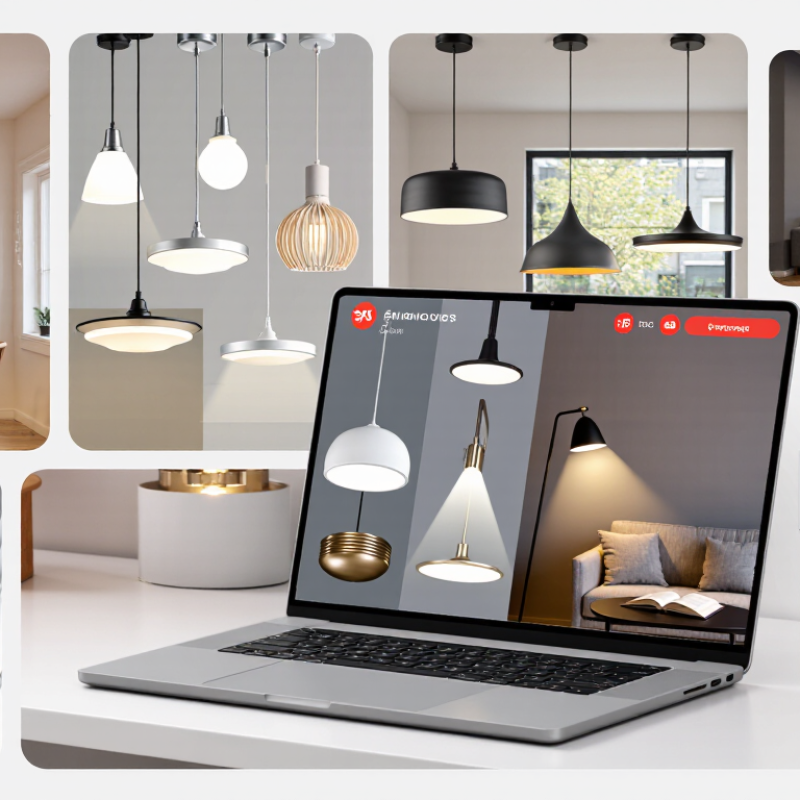
Online Lighting Retail is no longer built on attractive product photos alone. Customers want confidence before they place a fixture in their basket. They need accurate dimensions, realistic room images, clear color-temperature details, and delivery information they can trust. A pendant that looks elegant online may overwhelm a small dining area. A warm bulb may also appear different on a customer’s screen.
Lighting designer Richard Kelly wrote, “Light is the only thing that makes architecture visible.” His insight remains valuable for digital sellers. Successful stores should show how products shape real spaces, not merely how products look against white backgrounds. Include beam angles, lumens, CRI ratings, finish samples, cable lengths, and installation requirements. Demonstrate the light at breakfast, during evening reading, and beside darker walls.
Small details matter.
These ten tips examine practical ways to improve product presentation, search visibility, customer service, and post-purchase confidence. Strong Online Lighting Retail also requires disciplined testing. Compare two product photographs. Track abandoned carts. Ask customers why they returned a lamp. Their answers may expose confusing specifications or misleading scale.
Some recommendations may feel obvious. That is the weakness. Retail teams often overlook simple problems, such as a missing ceiling-rose diameter or an unclear dimmer warning. I have seen polished stores lose sales because delivery dates appeared only at checkout. No strategy is perfect. Materials vary, homes differ, and screens distort color. Honest limitations can build more credibility than exaggerated promises. The best retailers keep learning from measurements, customer feedback, and the occasional mistake.
A strong lighting business model starts with a specific customer and use case. Choose residential upgrades, hospitality projects, or budget-conscious renters. Avoid selling everything to everyone.
The U.S. Department of Energy reports that LED lamps use at least 75% less energy and last up to 25 times longer than incandescent lamps. That creates a clear value proposition, but energy savings alone rarely closes a sale. Customers also need the right brightness, color temperature, beam angle, and fixture size.
A practical mistake is hiding technical information behind attractive images. It may increase clicks, but it can also increase returns. The model needs testing.
Baymard Institute reports an average online cart abandonment rate of 70.19%, based on 49 studies. Clear delivery dates and fewer checkout surprises can reduce hesitation.
Review monthly data, question weak assumptions, and adjust the product mix when customer behavior disagrees with the original plan.
Profitable lighting retail begins with careful customer research, not attractive product photos alone. Ask real people. Study search terms, product reviews, support questions, and abandoned carts. These details reveal whether shoppers need warm bedside light, bright task lighting, or adjustable fixtures for small rooms. Short surveys can help, but direct conversations often uncover stronger buying reasons.
Compare customer needs with practical product economics. Check wholesale cost, packaging size, shipping damage, return rates, and expected selling price. A low-cost lamp may appear profitable until fragile parts create frequent refunds. Select products with clear use cases, durable materials, replaceable components, and verified electrical information.
Safety documentation and accurate specifications also build trust. Never hide brightness limits, dimensions, cable length, or installation requirements.
Test before scaling. Order samples and use them in realistic spaces, including a desk, hallway, and bedroom. Observe shadows, heat, switch quality, and assembly time.
I once preferred a stylish fixture, but its awkward cable caused customer complaints. That mistake was useful. It showed why personal taste cannot replace user testing.
Track conversion rates, review language, and returns for each product group. Reassess seasonal demand, too; decorative lighting may sell well before holidays, while practical desk lighting can remain steadier throughout the year. Keep improving.
A trustworthy lighting store starts with precise product information. In practice, shoppers need more than attractive room photos. Salsify’s 2023 Digital Consumer Research found that 87% of consumers consider product content very or extremely important.
Tip 1: Show exact dimensions, including canopy, shade, cord, and mounting height.
Tip 2: State the bulb type, wattage, voltage, color temperature, and dimming requirements.
Tip 3: Add a clear light-output measurement, such as lumens.
Tip 4: Explain materials and finishes honestly. Small differences matter under warm or cool light.
Baymard Institute reports an average online cart abandonment rate of 70.19%. Unclear product details can increase hesitation, especially for expensive fixtures.
Tip 5: Use photos from several angles, with a size reference beside the product.
Tip 6: Include installation steps and realistic assembly time.
Tip 7: Publish shipping dimensions and package weight.
Tip 8: Make delivery, return, warranty, and replacement-part information easy to find. Keep the wording plain. Buyers should not need technical training.
Tip 9: Add verified customer questions and answer them with evidence.
Tip 10: Compare similar fixtures by size, brightness, and intended room.
Do not hide limitations. A compact pendant may look elegant, but it might not illuminate a large dining table. Product pages can still be imperfect. Review them regularly, because specifications, stock, and safety guidance may change. I would also test every page on a phone; dense technical tables often become difficult to read there.
Successful online lighting retail depends on disciplined daily operations. In store audits, I have seen attractive products lose sales because prices ignored packaging and delivery costs. Calculate the full landed cost, including bulbs, protective materials, payment fees, and expected returns. Set a margin floor, then review competitor prices weekly. Avoid constant discounts. They can weaken customer trust. Use clear price tiers for basic, mid-range, and premium fixtures. Show what changes between each tier.
Shipping needs the same attention as product selection. Measure every carton, not just the fixture. Dimensional weight can quietly erase profit. Use double-wall boxes, corner protection, and a small internal gap around fragile shades. Photograph packed orders before collection. This creates useful evidence when damage claims appear. Display realistic delivery windows, including processing time. A fast promise is tempting. It is also risky. I once underestimated holiday delays and received more complaints than expected. That mistake changed our estimates.
Customer service should answer practical questions before checkout. Add exact measurements, mounting details, cable lengths, finish descriptions, and care instructions. Train staff to confirm room size and ceiling height without sounding intrusive. Set a response target, such as four business hours, and monitor missed replies. Prepare flexible scripts for late parcels, damaged parts, and installation concerns. Scripts save time, but they should not sound cold. Ask customers for photos when troubleshooting, then record recurring issues for product-page improvements. Review refunds monthly; repeated returns often reveal unclear pricing or incomplete information.
Prioritize transparent pricing, reliable shipping information, and a simple checkout experience. These benchmark findings show why customers leave before completing an online purchase.
The figures represent the percentage of surveyed online shoppers who reported each reason for abandoning a cart. Source: Baymard Institute, checkout usability research.
10 Tips for Successful Online Lighting Retail
Use Marketing Data to Improve Sales and Long-Term Growth
Online lighting sales improve when product decisions follow customer evidence. The Baymard Institute reports an average cart abandonment rate of 70.19% across ecommerce studies. For lighting retailers, unclear delivery dates, missing dimensions, and weak return information can create that exit. Track these events separately. A visitor who studies beam angles needs different content from someone comparing pendant sizes. Small details matter.
Marketing data can also reveal profitable demand. The McKinsey Global Institute found that personalization can increase revenue by 5% to 15%, while improving marketing efficiency. Use search terms, viewed finishes, room photos, and repeat purchases to create useful segments. Show warm-white options to customers browsing bedroom fixtures. Recommend dimmable products after repeated searches for lighting controls. Keep the logic visible and relevant.
Energy performance should remain part of the sales message. The International Energy Agency estimates that lighting uses about 15% of global electricity consumption. Explain wattage, expected lifespan, and color temperature beside the product image. Customers should not need technical expertise. My own reporting has exposed mistakes, too. High clicks did not always produce sales. Sometimes attractive images encouraged browsing but hid installation concerns. Review conversion rates, returns, and customer questions together each month. Good data is rarely perfect. It still improves decisions.
A practical data framework for evaluating online lighting retail performance, customer behavior, and sustainable growth.
| No. | Growth Tip | Key Data Dimension | Current Signal | Recommended Target | Data-Based Action | Expected Business Benefit |
|---|---|---|---|---|---|---|
| 1 | Segment customers by intent | New versus returning visitors | Returning conversion: 4.8% | ≥5.5% | Create separate landing pages, offers, and email journeys for first-time and returning shoppers. | Higher relevance and stronger repeat-purchase potential. |
| 2 | Optimize product pages | Product-page conversion rate | 2.7% | 3.2%–3.8% | Show lumen output, color temperature, dimensions, installation requirements, and room photographs above the fold. | Fewer purchase uncertainties and improved checkout completion. |
| 3 | Use search data to guide assortment | On-site search exit rate | 31% | ≤22% | Review zero-result queries weekly and add filters for style, room, size, finish, brightness, and price. | Better product discovery and fewer lost sales. |
| 4 | Measure marketing efficiency by channel | Blended customer acquisition cost | $42 | ≤$35 | Compare acquisition cost with first-order gross margin and six-month customer value before increasing spend. | More profitable budget allocation and controlled growth. |
| 5 | Test creative around customer needs | Advertisement click-through rate | 1.1% | ≥1.5% | Run controlled tests using room settings, scale references, lighting effects, and installation-focused messages. | More qualified traffic without relying only on higher bids. |
| 6 | Reduce cart abandonment | Cart abandonment rate | 68% | ≤60% | Display delivery estimates, returns information, payment options, and total costs before checkout. | Improved trust and recovered revenue from high-intent visitors. |
| 7 | Build an email retention program | 90-day repeat-purchase rate | 9% | 12%–15% | Use post-purchase education, complementary-product recommendations, and replenishment reminders. | Higher customer lifetime value and lower dependence on paid traffic. |
| 8 | Use reviews to improve product-market fit | Verified review coverage | 38% of products | ≥70% of active products | Request reviews after delivery and categorize feedback by brightness, color, installation, quality, and packaging. | Stronger social proof and clearer product improvements. |
| 9 | Connect inventory with marketing data | Stockout rate on promoted products | 8.5% | ≤3% | Pause campaigns when available stock cannot support expected demand and prioritize products with healthy margins. | Fewer wasted ad impressions and better customer experience. |
| 10 | Track profitability, not only revenue | Contribution margin after marketing | 18% | ≥25% | Report revenue, discounts, shipping, payment fees, returns, and advertising costs together by product and channel. | More reliable decisions and healthier long-term growth. |
Note: The figures are anonymized planning benchmarks for online lighting retail analysis. Actual targets should be adjusted according to product category, price level, traffic mix, margin structure, seasonality, and customer geography.
Include the fixture, bulbs, packaging, delivery, payment fees, and likely returns. Set a minimum margin. Review competitor prices weekly. Do not discount constantly. It can reduce customer trust.
Use basic, mid-range, and premium tiers. Show differences in materials, features, size, finish, and included accessories. Keep each tier easy to understand.
Measure the complete carton, not only the lighting fixture. Dimensional weight may cost more than expected. Use double-wall boxes, corner protection, and a small gap around fragile shades.
Photograph each packed order before collection. Capture the carton, protective materials, and product position. It creates useful evidence.
Show processing time and transport time separately. Use realistic delivery windows, especially during holidays. Fast promises can create avoidable complaints.
Include exact dimensions, mounting details, cable length, finish, and care instructions. Explain wattage, lifespan, and color temperature beside the product image. Customers should not need technical expertise.
Ask about room size and ceiling height politely. Prepare flexible replies for late parcels, damaged parts, and installation concerns. Scripts save time, but they can sound cold.
Track searches, viewed finishes, room images, repeat purchases, conversions, and returns. Recommend relevant options, such as warm-white fixtures for bedroom browsing. Keep the logic visible. It will not be perfect.
Successful Online Lighting Retail begins with a clear and practical business model. Define your target customers, sales channels, product range, and value proposition before launching. Research customer needs carefully to identify profitable lighting categories, useful features, preferred styles, and suitable price points. A trustworthy online store should provide accurate product descriptions, dimensions, materials, brightness information, installation guidance, high-quality images, and transparent policies so customers can make confident decisions.
Operational efficiency is equally important for long-term success. Set competitive prices while protecting healthy profit margins, organize reliable shipping, and offer responsive customer service. Track key marketing data, including traffic sources, conversion rates, customer feedback, and repeat purchases, to understand what works and what needs improvement. By continuously testing promotions, refining product selection, improving the shopping experience, and building lasting customer relationships, an Online Lighting Retail business can increase sales steadily and create a sustainable foundation for future growth.